
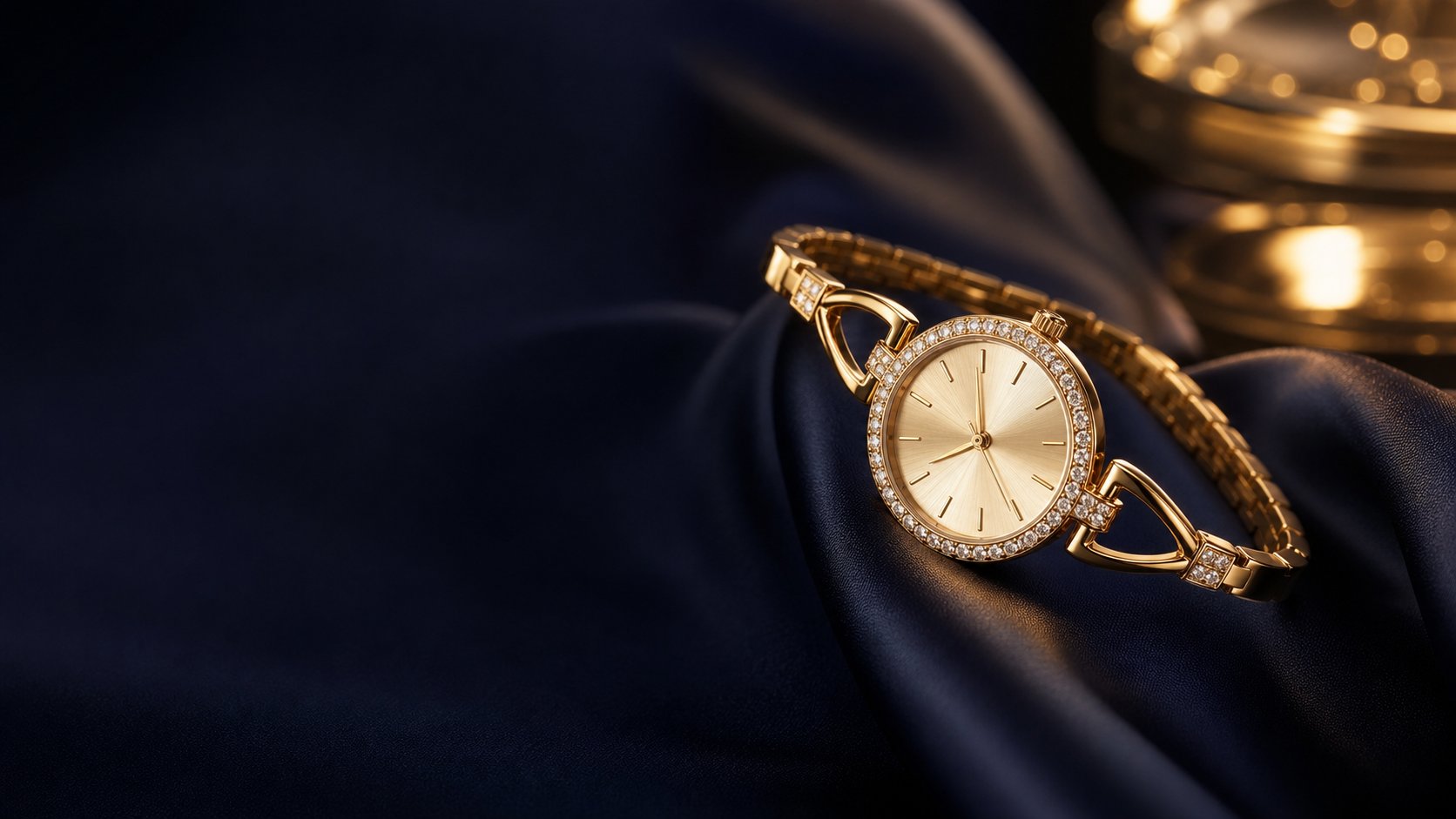
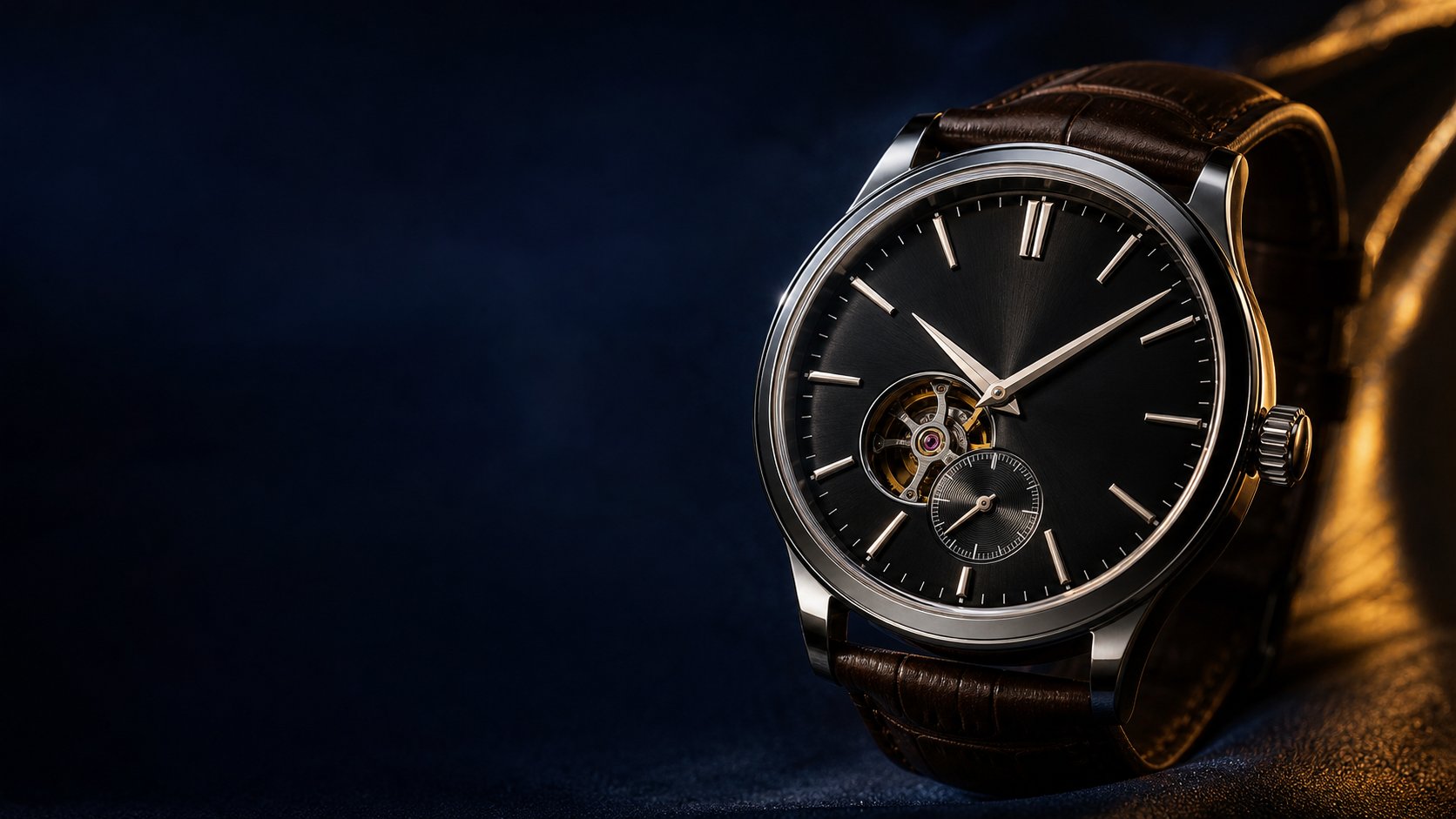
It is the most asked question in our showrooms, so here is our honest answer — no tribal loyalty, just trade-offs.
How they work
A quartz movement uses a battery to send current across a crystal; the crystal vibrates at an exact frequency and a circuit counts it. An automatic movement is a tiny mechanical clock — a mainspring wound by the motion of your wrist, released through gears, regulated by an oscillator oscillating five or more times a second.
Accuracy
Quartz wins, easily: a typical quartz drifts under a few seconds a month. A good automatic drifts 10–20 seconds a day. If your life is built on precision timing, quartz is the rational choice.
Upkeep
Quartz: a battery every 2–5 years, done. Automatic: a service every 5–8 years that costs real money — but then it can last generations.
The feeling
This is where hearts vote. An automatic has weight, texture and life — the seconds hand sweeps, the caseback opens to a moving machine, and the watch keeps ticking in a way that feels like it belongs to you. A quartz is simply, reliably correct.
Our recommendation
First fine watch with a budget under $200? Quartz from Casio, Fossil or Citizen. Your first $400+ automatic? A Seiko or a light-powered Citizen if you want the best of both. Either way — buy it from an authorized retailer, so the warranty is real.
Keep Reading
More From the Journal